Editorial guide · 4 min read
Planning industrial waste services in Johor
A location guide helps find service routes and relevant contacts.
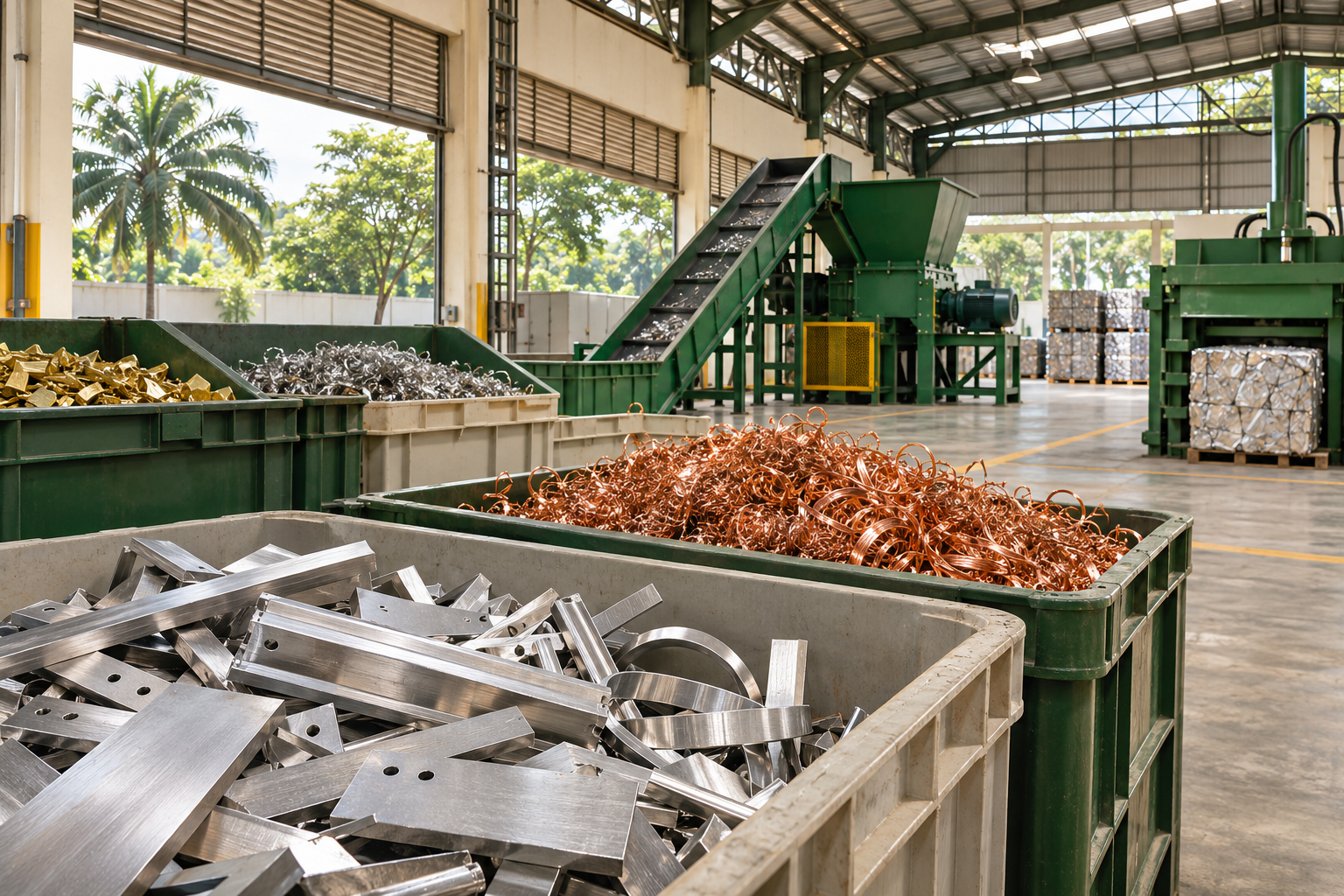
An industrial waste service plan in Johor should connect the generating site, the collection conditions and the receiving facility. A provider that collects from one part of the state may quote different terms for another site, even when both sites generate similar material. Begin with an exact loading address, an accurate waste description and an estimate of the collection pattern. Use the same information when requesting quotations. This makes it easier to distinguish a difference in service coverage from a difference in how each provider interpreted the material or the job.
Confirm the pickup location and site conditions
Record the factory address and the actual point where vehicles report for collection. A registered office or industrial park entrance may differ from the loading bay. Identify the contact who can confirm access, the collection window and any site instructions. Tell potential providers whether a vehicle needs an appointment, whether it will collect from more than one loading point and which equipment the site can provide. Confirm these details before relying on a quoted pickup time. An offer that appears convenient on a map may require a different arrangement once the provider knows the actual access conditions.
Give the provider an expected quantity and frequency for each stream. State the unit and the basis of the estimate, such as a recent measured collection or an internal production estimate. If the stream is generated irregularly, describe the pattern rather than using a single average. A maintenance batch and recurring production scrap can require different scheduling. Ask whether the provider has a minimum collection quantity, how it handles an occasional extra load and what happens if the volume available differs from the estimate when the vehicle arrives.
Verify the actual receiving facility
Request the receiving facility’s legal name, site address and proposed service. A provider’s commercial office, transport depot and receiving site can be in different places. Distance affects travel and scheduling, while the facility’s ability to assess the material depends on its actual scope and acceptance conditions. Confirm both. A facility near the generator can be unsuitable for the proposed stream, while a more distant one can offer a workable route if it has confirmed the material and the associated collection arrangement.
For scheduled waste, start with the Department of Environment’s official guidance and eSWIS resources. Check the records relevant to the specific material, facility and transporter. Verify the details with the parties concerned where needed and record when the check was made. Ask the receiver to confirm what information it needs to assess the load. A general listing or licence reference is a starting point. An acceptance decision should still identify the actual stream and any conditions on its quantity, condition or packaging. If the route remains uncertain, record what has to be resolved before scheduling collection.
Compare the logistics and charges together
Use the same collection address, quantity, packaging and material description for every quote. Ask which charges apply to the trip and which apply to the quantity received. Check whether handling, waiting time, a second trip or additional assessment is included. A lower unit price can result in a higher total for a small or irregular collection if there is a minimum charge. Compare costs for a representative collection and for a likely exception, such as a short-notice change in the amount or pickup window. Keep the assumptions with the calculation so the comparison can be reviewed.
Confirm who handles changes on the day. The contact at the generating site should know whom to call if the vehicle reports to the wrong gate or the quantity differs. The provider should identify who can confirm a revised arrangement. If the proposed destination changes, check the new route, acceptance conditions and applicable evidence before releasing the load. Agree on the documentation the site will receive after delivery. A handover record and a facility receipt describe different parts of the movement and may both be needed to reconcile the inventory.
Example of planning for two Johor locations
Suppose a company operates one factory near Johor Bahru and another in a different district. Both sites generate offcuts, but one site collects enough for a recurring pickup while the other accumulates smaller quantities. The company can request separate quotes for each loading point using the same material description where the streams genuinely match. It can also ask whether a combined service is possible, which facility would receive each load and how the provider would preserve the records for each site. A quotation that combines collections should still identify the quantity and source of each load.
Now suppose the smaller site plans a maintenance shutdown that will generate a different residue. Record that material separately and obtain an assessment before adding it to the routine collection. Check whether the existing provider can arrange the service for that material and whether a different facility or collection window applies. Keep the planned maintenance load separate from the recurring offcuts in the inventory and service correspondence. This avoids treating the location or the existing contract as evidence that a different stream can follow the same route.
Keep the local plan ready for review
Record the generating address, stream, quantity basis, collection window, transporter, receiving facility and evidence of acceptance. Add the names of the contacts responsible for access and handover. Reconcile the actual collection and receipt afterward. Review the arrangement when the loading point, material, quantity or destination changes. A useful Johor service plan ties an actual factory and collection route to a confirmed receiver and gives staff enough information to handle a change before the material leaves the site.