Editorial guide · 4 min read
Comparing waste recovery treatment and disposal
Recovery, treatment and disposal describe different purposes.
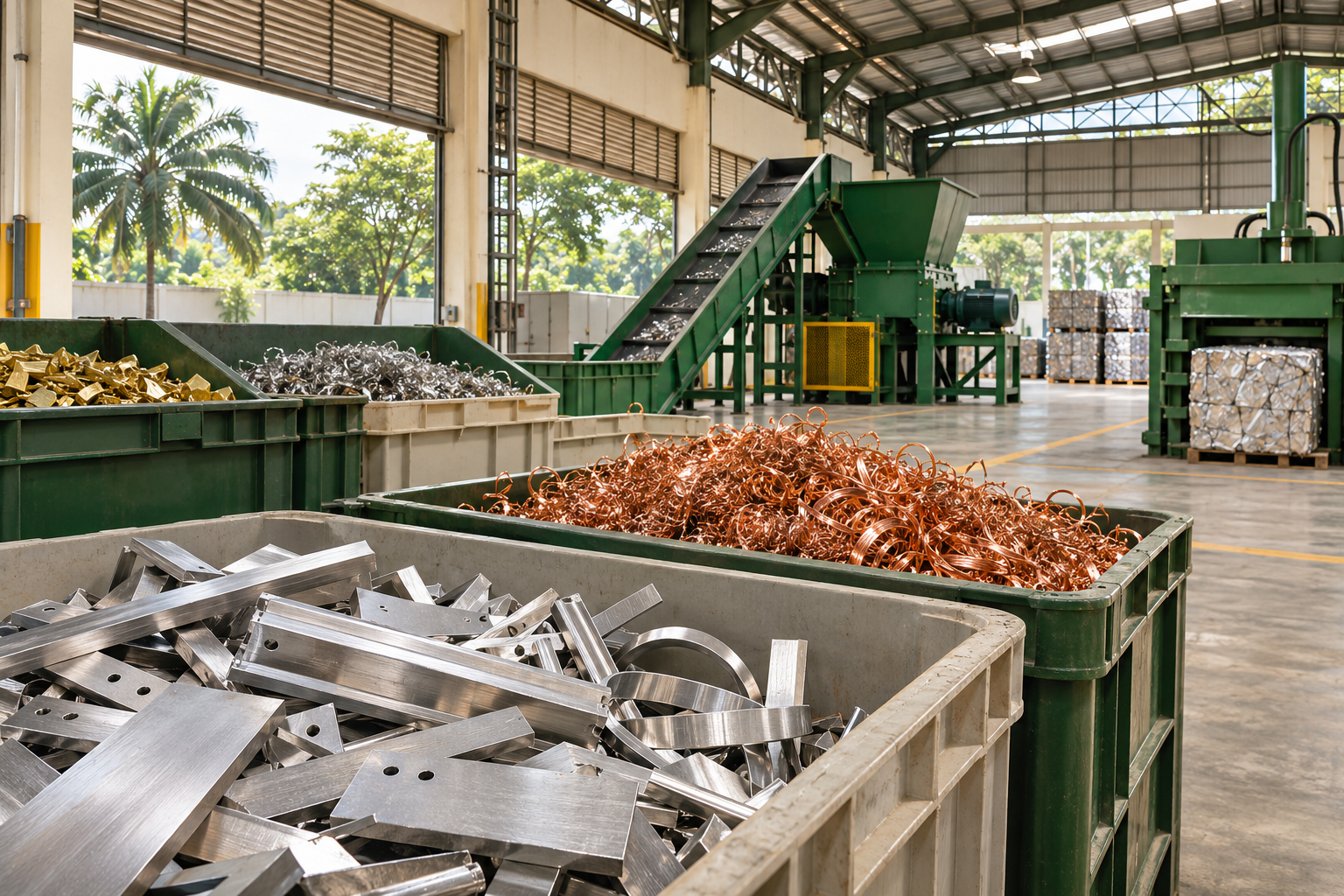
A waste proposal can describe several operations between collection and the final destination. Recovery aims to obtain a useful material or product. Treatment changes or manages the properties of the waste for a defined purpose. Disposal provides a final destination for the material or a residue. A single service may combine these stages. Compare proposals by tracing the input through each stage and asking what evidence will be available for the outputs. This gives procurement and site teams a clearer basis for evaluating a route than a service name or a price per tonne alone.
Describe the input consistently
Give each provider the same description of the waste. Include the process that generated it, its physical form, known components, expected quantity and variation between batches. Distinguish measured information from estimates and note any characteristics that still need review. A provider may ask for a sample or additional evidence before deciding whether the material fits a process. Record which material and conditions each offer covers. If a provider assumes a different composition or quantity, clarify that difference before comparing the price or proposed outcome.
Where the material may be scheduled waste, confirm the applicable classification and review the official requirements. Malaysia’s Environmental Quality (Scheduled Wastes) Regulations 2005 address disposal, treatment and recovery in separate provisions. Read the provisions applicable to the proposed route and verify the receiving facility’s scope. The practical comparison should identify the operation proposed for the actual stream, where it will take place and who is responsible at each stage. Keep the classification basis and the facility’s acceptance decision in separate records so either can be reviewed when conditions change.
Ask what each stage produces
For a recovery proposal, ask which material or product the receiver expects to obtain and what happens to fractions it cannot recover. Request the basis for any reported recovery figure. It may refer to the quantity delivered, the amount accepted into a process or the measured output that can be used. These quantities answer different questions. If the receiver can provide only an acceptance record, the site can document acceptance while keeping any recovery outcome that lacks evidence as unverified.
For a treatment proposal, ask what change the process is intended to achieve and where the resulting material goes. A treatment stage may prepare a residue for another operation. Identify which party manages that next stage and which documents will show that the material reached it. For a disposal proposal, confirm the intended destination and what it accepts. If a provider describes several possible destinations, ask how it selects the one for a particular load and how the site will be informed of a change. A route comparison is incomplete until it accounts for residues and rejects as well as the main output.
Compare prices using the same boundaries
Ask what each price covers. Some quotations include collection, handling and the first receiving stage. Others list analysis, packaging, transport or later treatment separately. Identify the basis on which the charge is calculated, such as a measured quantity or a service call. Check whether the quote changes if the material exceeds an acceptance limit or needs a separate assessment. If the receiving facility rejects a load, establish who makes the decision about the next step and who is responsible for the associated cost.
Check the evidence that is included with the service. A weight ticket, acceptance record and summary of process outputs serve different purposes. Decide what the site needs for inventory reconciliation and what it needs to support a claim about recovery. Ask when those documents will be available and how they will identify the original stream. If the service uses more than one facility, request a record that links each stage to the load. The company can then compare total charges and documented outcomes rather than assuming that a lower price includes the same evidence.
Example of comparing two proposals
Suppose a factory receives two offers for a recurring material. One proposes to recover a usable fraction and manage the remaining residue separately. The other proposes a treatment route for the full load and identifies a destination for the resulting residue. The site can ask the first provider how it measures the usable output and whether the price includes managing the remainder. It can ask the second what the treatment achieves and what evidence confirms the downstream destination. Both should be evaluated against the actual material specification and the applicable facility conditions.
If the site also reports recovery performance, a hypothetical load of ten tonnes illustrates the boundary issue. A receipt for ten tonnes establishes a quantity received at a facility. If the facility can substantiate only six tonnes of usable output, the site should retain those as separate figures. It should also record what is known about the other four tonnes and how the measurement was obtained. This avoids treating a movement or acceptance record as evidence of a different outcome.
Record the selected route and review it
Keep the selected offer, material description, acceptance conditions, destination and expected evidence together. Record any outstanding question and the person responsible for resolving it before transfer. After delivery, compare the returned records with the proposed route and investigate material differences. Review the decision when production inputs, quantity, receiver scope or downstream destinations change. A sound comparison follows the material from its original specification to the documented outcome, including any fraction that needs further management.