Editorial guide · 4 min read
Managing industrial electronic waste streams
Electronics facilities may generate production rejects, equipment components, circuit boards and devices removed from service.
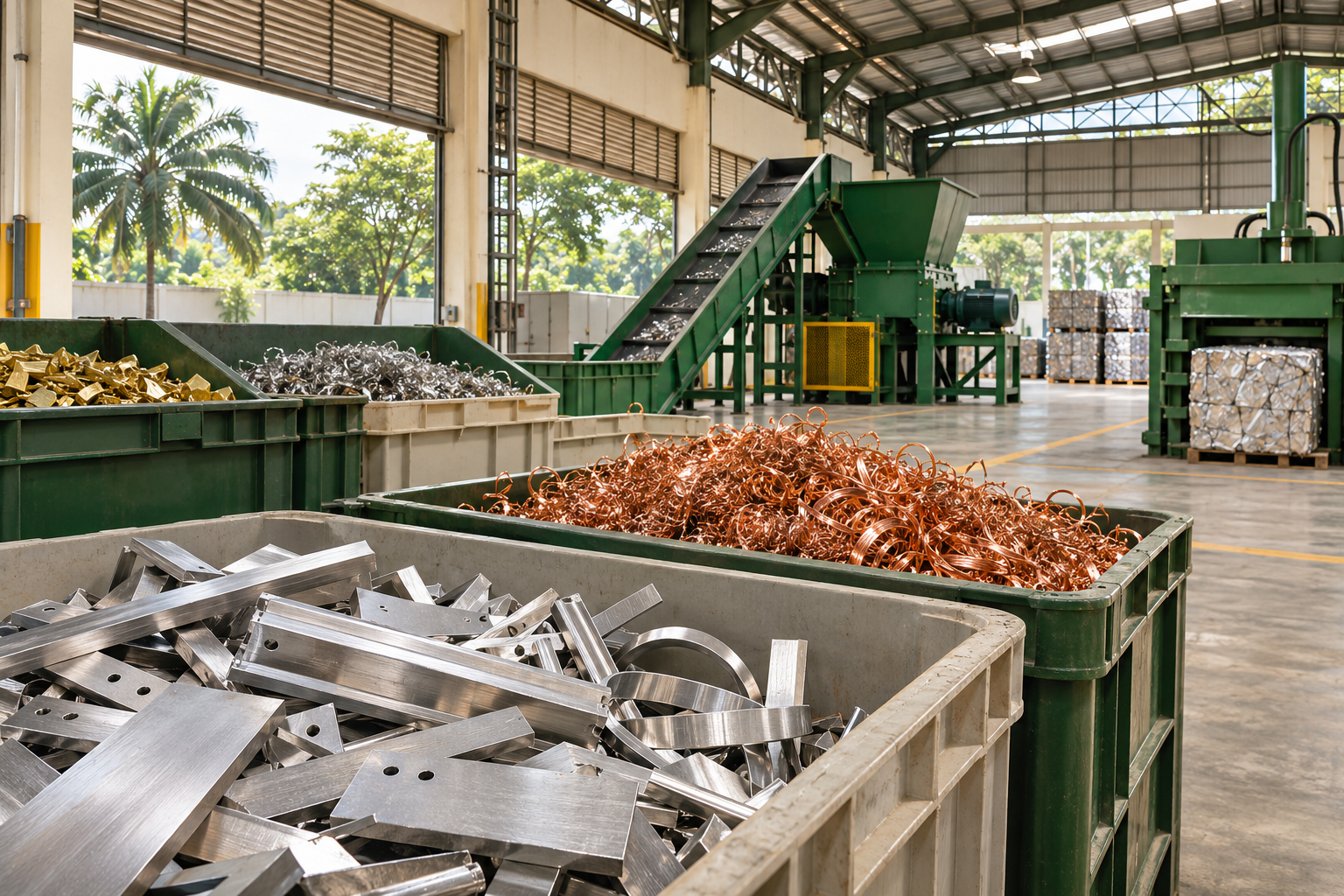
An industrial electronics inventory can include production rejects, retired test equipment, circuit boards, damaged units and equipment that may still have a legitimate reuse route. These items need descriptions that explain their condition and intended destination. Start with the generating process or asset record, then identify which items need a waste classification review and which can be evaluated under the organisation’s asset procedures. The inventory should stay connected to the handover record so that each item or batch can be traced after it leaves the site.
Separate production material from retired assets
Production rejects often have a known manufacturing origin and may be recorded by product line, lot and reason for rejection. Retired assets are commonly recorded by department, serial number or asset tag. Their condition and contents may vary more widely. Keep these two sources distinct even when some components look similar. For each stream, record whether the items are complete assemblies, loose components or a mixture. Flag items with batteries, damage or unknown contents for review under the site’s approved procedure.
Use the available records to describe what happened to the items before collection. For example, a production batch may have failed inspection before assembly, while a retired device has been used and may contain stored information. Confirm whether parts have already been removed and keep the record linked to the remaining item. Avoid merging entries simply because the pieces are stored in one area. Individual asset identifiers may be appropriate for complete devices, while batch records may be more workable for recurring production scrap. In either case, the description should let another person identify what was assessed and what was handed over.
Review condition, reuse and classification
Decide whether an item is being evaluated for reuse or has been set aside as waste. A proposal for reuse should identify the item’s condition, who will check it and the intended recipient or use. Record the assessment and any limitations. A label such as used equipment gives little information about whether an item functions, needs repair or has reached the end of its useful life. If equipment is intended for movement across borders, consult the applicable official requirements. The Department of Environment publishes guidance specifically addressing transboundary movement of used electrical and electronic equipment, including evaluation and documentation for equipment considered for reuse.
For material being managed as waste, consult the official scheduled waste descriptions and the site’s classification process. DOE material identifies SW110 as a relevant entry for end-of-life electrical and electronic assemblies. The actual item and applicable wording still need to be reviewed, particularly when a batch contains loose batteries, mixed components or unidentified material. Do not assume that every item generated by an electronics facility has the same classification. Record the origin, physical form and known components and refer uncertainties to the responsible technical team. Keep the decision with the inventory and communicate it to the people arranging collection.
Set responsibilities for stored data and asset records
Before releasing equipment that can store information, identify who is responsible for deciding how data and storage media will be managed. Follow the organisation’s approved asset and information procedures. Record which items require review, what decision was made and who confirmed it. A disposal or recovery contractor may offer a separate service for media handling. If that service is needed, agree on the evidence expected and check that the service applies to the actual items listed. Retain only the details required for traceability and keep sensitive asset information within the appropriate records.
Clarify how the asset record and waste record will be reconciled. If a storage device is removed, the equipment and the removed component may follow separate routes. Update the record to show which item was collected and what remained on site. If the receiving party records only a batch weight, keep the internal list that ties the individual assets to that batch. This helps the organisation identify discrepancies without treating the collector’s weight receipt as proof that each specific asset was handled in the agreed way.
Check the receiving route before release
Ask the provider to identify the receiving facility, proposed service and acceptance conditions for the items. Where official facility or transporter references apply, verify the relevant scope and record the date checked. DOE household collection information can help residents locate a collection route, while an industrial batch needs to be assessed against its own characteristics and destination. Ask whether the provider accepts complete units, loose components or batteries and how exceptions are managed. Confirm the packaging and documentation required through the approved site process.
Consider an electronics plant retiring a set of test computers while separately collecting circuit board rejects from production. The computers can be listed by asset tag and reviewed for stored data. The boards can be identified by lot, process and material description. The plant can send separate service enquiries and ask the proposed receiver to confirm which conditions apply to each stream. If one item remains under review, record it separately rather than including it in the release by default.
Reconcile the handover
At handover, check the items or batch against the approved inventory, the actual destination and the agreed description. Keep the receipt and reconcile any omitted, rejected or separately managed material. Review the arrangement if the mix of items changes or if the receiving facility raises a recurring discrepancy. A good record identifies the original equipment or production stream, the decisions that affected its route and the evidence returned after collection.