Editorial guide · 4 min read
Industrial waste management in Malaysia
A waste-management plan starts where each stream is generated.
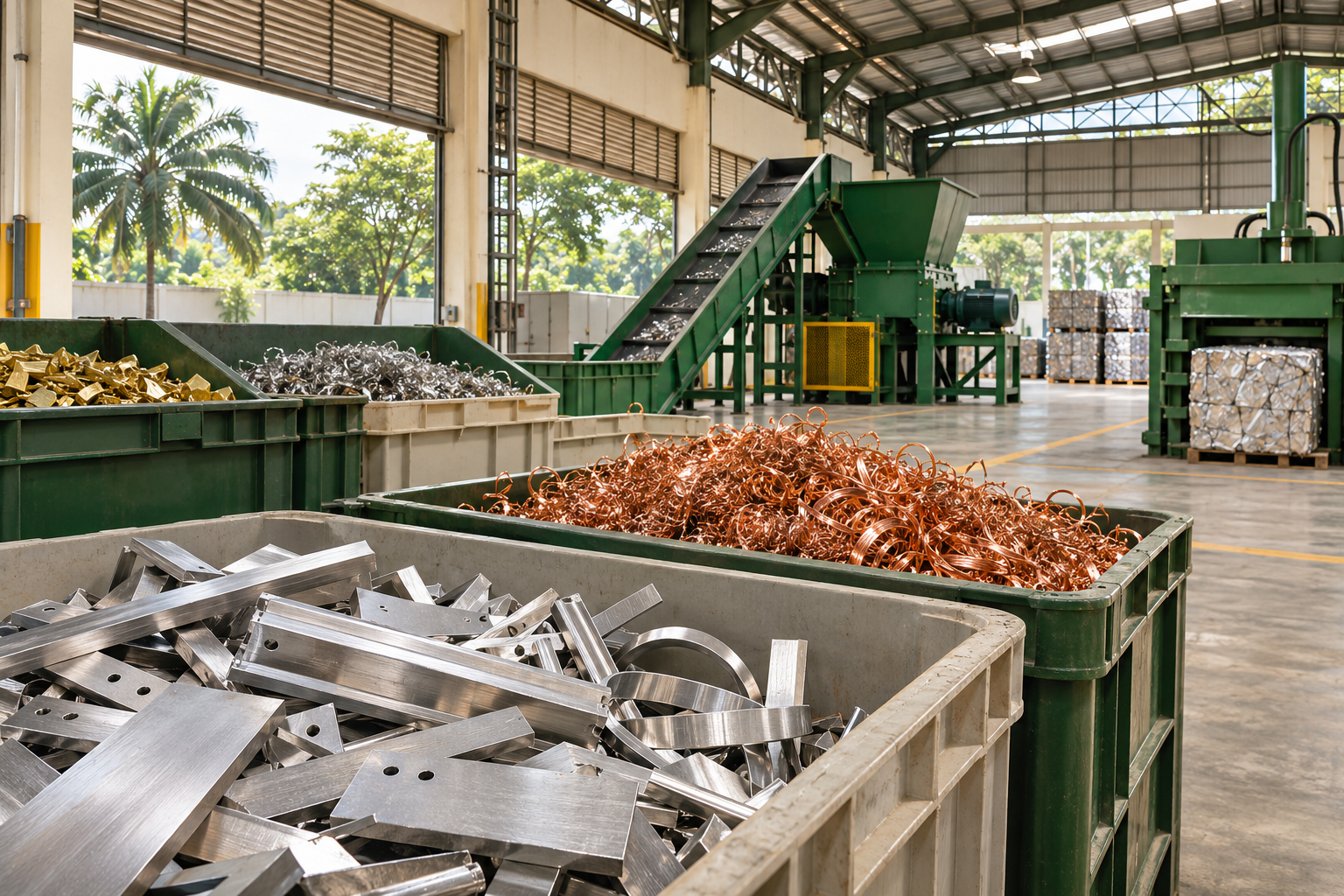
Industrial waste management begins with knowing what a site generates, where it accumulates and who accepts it. A factory may have clean production offcuts, packaging, maintenance residues and material from occasional cleaning or repair jobs. Each stream needs a route supported by evidence about its origin and condition. A single collection contract or invoice may cover several materials without explaining how each is ultimately managed. Build the site plan from individual streams and connect each one to its classification review, storage arrangement, collection record and confirmed destination.
Map waste at the point of generation
Walk the production and support areas with the people who work there. Include maintenance bays, packing lines, stores and cleaning activities. Ask what is discarded, what has contacted the material and where it goes after the task. Note whether the stream is generated continuously or during a specific job. For example, a factory may generate clean metal offcuts every shift and a separate oily residue when equipment is serviced. Those two streams need individual records even if they leave from the same loading area.
Give each stream a stable identifier and record the process, material description, container, storage point and expected quantity. Record the basis for that quantity. A collection weight is different from an estimate based on the number of containers filled. When a site uses estimates, write down the period and method so they can be checked against later records. Identify material that remains on site between reporting periods, because collection totals alone can give a misleading picture of what production generated. Keep unusual batches separate until the team can explain their origin and choose an appropriate route.
Review classification before choosing a receiver
The Department of Environment’s scheduled waste information refers waste producers to the First Schedule of the Environmental Quality (Scheduled Wastes) Regulations 2005. It explains the relevance of the waste source and characteristics to identifying a suitable code. Use the applicable official references and seek appropriate technical review where a stream is uncertain. A material name such as oil, plastic or sludge is useful in an inventory, but a classification review may require information about the process and what the material contacted. Record the evidence behind each decision and the date it was reviewed.
Once the material is described, compare routes with the people responsible for receiving it. Ask which facility will receive the actual stream, what information it requires and what acceptance conditions apply. Confirm the operator, transport arrangement and receiving location. For scheduled waste, check the relevant official references and the actual scope of the proposed service before arranging a transfer. A provider’s general list of services should be supplemented by a response that relates to the specific material and destination. Keep the result with the inventory so the collection team can retrieve the current instructions.
Set up storage and handover records
Place identification close to the point where a material is collected or stored. Staff should be able to tell which container or storage area applies and what to do when an unfamiliar material appears. Review instructions with the people who handle the waste and check that the actual arrangement matches the records. Where requirements apply to scheduled waste storage, labelling or transfer, consult the relevant official material and follow the site’s approved procedure. Keep the inventory, container identification and handover documents consistent with the classification decision.
At collection, reconcile the stream, quantity and destination against the arrangement confirmed by the receiving party. Record any change, including a quantity difference or a load that the receiver does not accept. Check the evidence of receipt and retain it with the collection record. The Department of Environment’s eSWIS portal is the official starting point for its electronic scheduled waste information and support resources. Use the applicable guidance to determine which entries and records are needed for the parties involved. Keep any internal inventory fields that help connect an electronic record to the actual batch or collection.
Example of managing a production change
Suppose a machining site introduces a new cleaning process and expects a recurring liquid residue. The supervisor can add a new inventory entry before combining it with any existing stream. Record the equipment cleaned, the material introduced, the collection method and expected frequency. Ask the technical team which information is needed for classification and consult the prospective receiver about the proposed material. If the receiver requests additional evidence, record the request and keep the new stream identifiable while it is reviewed. Once the route is agreed, update the storage instructions, collection description and destination record together.
This approach also works when production changes the composition of an existing stream. Compare the new process with the evidence behind the current classification and acceptance decision. If that evidence no longer describes the waste, reopen the review. Procurement can then update the service arrangement using the actual description and expected quantity. The collection team can check the latest instructions before handover rather than relying on the name used in earlier invoices.
Measure results using documented destinations
Review quantities by stream and compare them with receipts and any evidence about the final outcome. Distinguish material collected, material accepted and material whose recovery has been verified. Record unresolved quantities and investigate recurring differences between inventory and collection figures. Use the review to improve segregation or to clarify conditions with the receiver. Assign a person to review the inventory when equipment, inputs, routes or service providers change. A reliable waste plan gives the site evidence for each decision and a practical way to revise it when the work changes.