Editorial guide · 4 min read
Designing industrial waste segregation at source
Segregation decisions affect which materials can be recovered and how reliably a waste stream can be assessed.
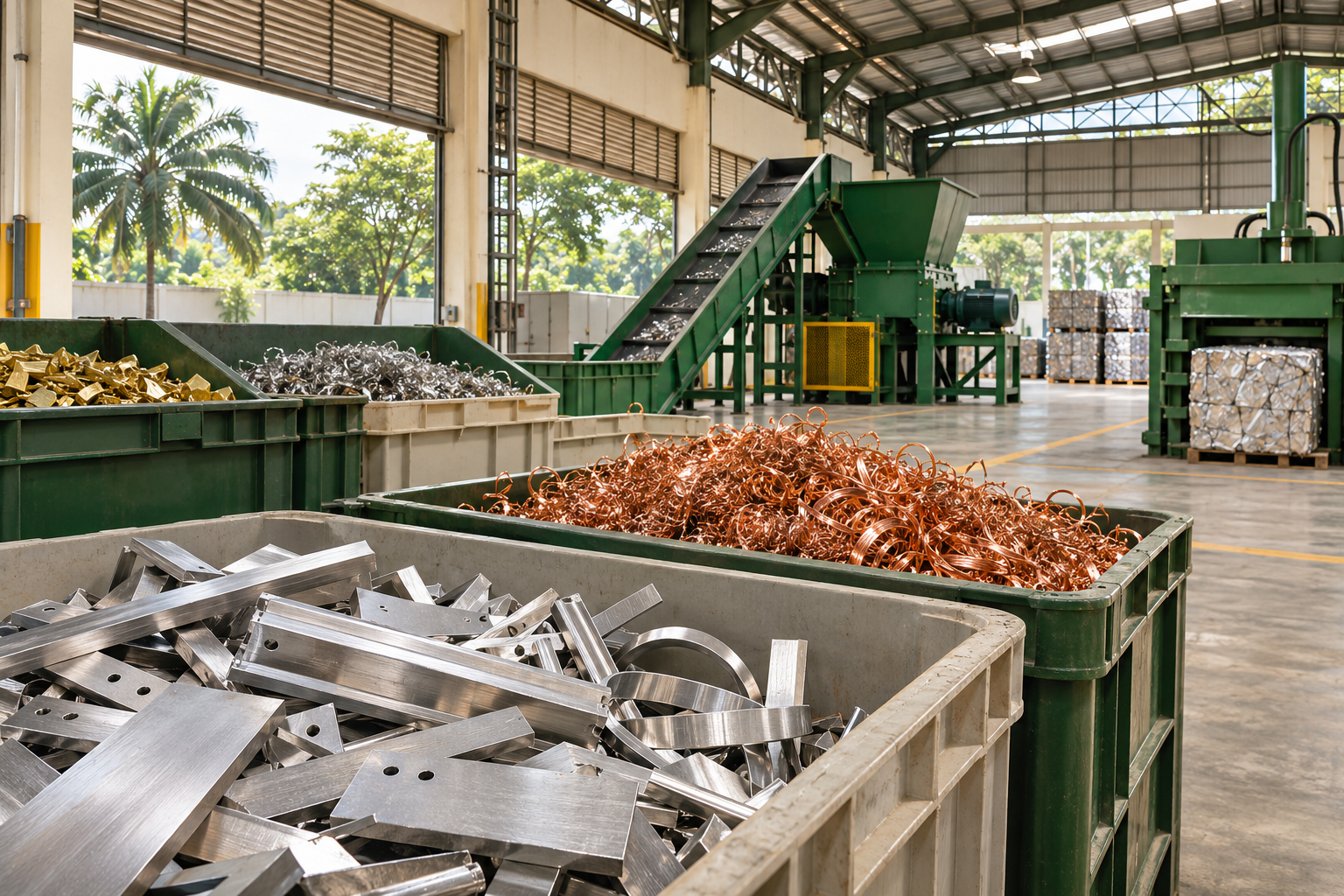
An industrial segregation system should help operators make the right decision at the moment material becomes waste. The decision is easier when the container is close to the task, its label describes the actual stream and the operator knows how to deal with an unfamiliar item. A row of bins at the loading area may simplify collection, but it leaves staff to identify material after it has moved through the site. Start with the processes that produce the waste, then design the container and handover arrangements around what happens on a normal shift.
Observe where materials become mixed
Walk the process with operators and maintenance staff. Follow the material from the machine, bench or work area to the first container, then to storage. Ask when a second material is likely to be added and why. Mixing can occur when one container is farther away, when a bin fills, or when a temporary job produces a waste that does not fit the usual description. Record the actual choice workers make, including what happens outside regular hours when the person who normally answers questions is unavailable.
List the streams according to origin and condition. For example, offcuts from a dry process may go to a different receiving route from swarf that has contacted cutting fluid. The Department of Environment explains that the source and characteristics of waste are relevant to classification under the First Schedule of the scheduled waste regulations. Keep the process information with the stream record so the technical reviewer can assess it. If the material is uncertain, use the site’s procedure for holding and reviewing it before assigning it to an existing stream.
Design labels for the decision people actually make
Use terms that the people doing the job recognise. A generic label such as metal may be too broad if the receiver accepts only a particular clean stream. A useful instruction can name the accepted material, identify the process and give an example of something that belongs elsewhere. Match the language to the people using it and place the instruction where they can see it before depositing material. Keep any required identification and regulatory labels consistent with the site’s approved waste records. Operational signs can reinforce those labels, while any formal labelling requirements must be checked against the applicable guidance.
Decide where the operator should go when the label does not answer the question. A route for uncertain material is important during changeovers, repairs and temporary projects. Staff should know whom to contact, where to keep the material under the site’s approved arrangement and what information the reviewer needs. Record the source and condition before the material loses its identity. A shift handover can flag unresolved material and prevent another team from treating it as an established stream. Make the same instructions available to contractors who work in the process area.
Check that collection preserves the segregation
Confirm what happens after the first container is full. If separately collected materials are combined during internal movement or at the loading area, the segregation decision at the machine has little value. Give each stream a stable identifier and make sure staff can trace it to the storage point and receiver. Record changes in packaging or container identity using the site procedure. Review how quantities are measured and how the collection team identifies the intended material before handover.
Ask the receiving party which characteristics affect acceptance. A recovery route may depend on keeping particular contaminants out, using a specific packaging arrangement or presenting information about the generating process. Compare those conditions with the actual site practice. If a requirement cannot be met consistently, review whether the process can be changed or whether the stream needs a different route. Document the decision and communicate it to operators and procurement. The sorting instructions should reflect the actual acceptance arrangement rather than a general description of recyclable material.
Test the arrangement on a normal shift
Consider a line that produces plastic offcuts, used packaging and wipes from routine cleaning. During a trial, an observer sees that staff use the correct containers when all three are beside the line. When one container fills, they leave material on a shared trolley and the next shift puts several items into the same bin. The response can address the point of failure: define when the container should be exchanged, identify who supplies the replacement and make the temporary arrangement clear. Moving the label alone would not resolve the shortage.
Collect observations from more than one shift and include an unusual task if it occurs often enough to affect the system. Record what entered the wrong stream, where the decision was made and whether the cause was unclear instructions, container location, capacity or a missing route. Check the records at the storage point to see whether staff can trace the contents back to the correct process. Review the findings with the operators before changing the design. Their account can explain why the intended arrangement differs from what happens during production.
Review the system when inputs change
Set a review trigger for new materials, cleaning methods, equipment and receiver conditions. Update the waste description, signs, handling instructions and handover records together when a change affects the stream. Check whether the classification evidence still applies. Measure improvement using observable outcomes such as fewer incorrectly placed items, clearer batch identity and fewer rejected loads. A segregation system is working when operators can sort routine material consistently and recognise when a new item needs review before it enters an existing stream.