Editorial guide · 4 min read
Metalworking waste and recovery pathways
Metalworking operations can produce clean offcuts, shavings and residues that have contacted cutting fluids.
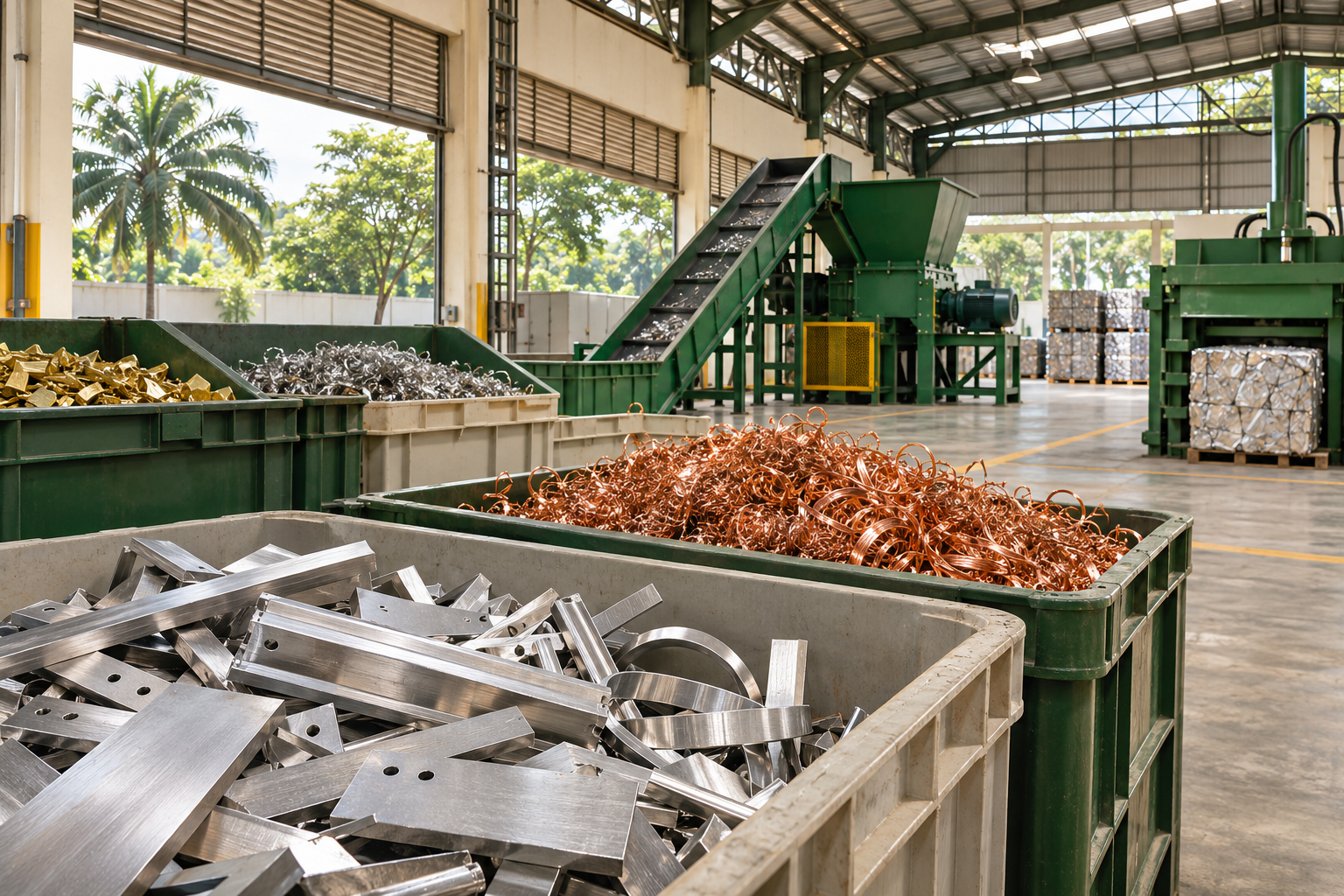
A metalworking site can generate usable offcuts, machining chips, residues from cutting fluids and other material from cleaning or surface preparation. These streams may leave the same workshop, but a recovery business needs to know their different origins and conditions. A load described only as scrap metal gives a receiver little basis for assessing its suitability. Start with the operation that produced the material, then record the form, known composition, contact with other substances and proposed destination. Use that record to decide whether a recovery option is appropriate and what evidence the receiver needs before it can accept the load.
Record what the process produces
Walk through the shop by process rather than starting with the bins. Cutting sheet may produce identifiable offcuts. Machining may generate chips or turnings that have contacted a cutting fluid. Grinding or finishing may produce a finer residue with different characteristics. Maintenance may create a separate liquid stream. Record which operation and material produced each stream, what is known about the alloy and whether water, oil, coatings or other materials entered the collection container. If the process handles several alloys, note how the site distinguishes the batches and what happens during changeover.
Include the material’s physical condition. Large clean offcuts and fine damp chips may have different handling and acceptance requirements even if they contain the same metal. A description should indicate whether the batch contains visible liquids, attachments, abrasive material or another metal. Report the source of any specification or analysis and note what it represents. A certificate for the original stock can help identify the alloy, while the waste record still needs to describe what the material contacted after it entered the workshop.
Keep material streams distinguishable
Set collection points where workers can identify the source without having to sort a mixed batch later. Use the process and material description on the local instructions. A shared area for holding containers can work if each stream remains identifiable and staff can trace it back to its source. Discuss the arrangements with maintenance and cleaning teams as well as machine operators. An unusual job may generate material outside the routine descriptions. Give staff a route for referring that material to the responsible person before placing it in an established stream.
Use the Department of Environment’s First Schedule reference when reviewing whether a stream is scheduled waste. The listed entries refer to specific origins, forms or constituents. For example, the wording for certain dust, slag, dross or ash describes named constituents and an exclusion. The presence of metal in a stream does not provide a classification by itself. Compare the official wording with the process and available evidence and obtain an appropriate review when a stream is uncertain. Keep the classification decision separate from the receiver’s decision about commercial acceptance or recovery.
Compare recovery routes using the same specification
Give each prospective receiver the same description. Include the process, form, likely quantity, packaging, known contamination and expected variation. Ask which characteristics matter to its process and whether it needs a sample or further information. A facility might accept an identified clean grade while requiring a separate assessment of material containing fluid or mixed alloys. Ask the receiver what it can document about the destination and whether it can provide a record of material accepted. Where a proposed service involves a regulated waste stream, verify the facility’s relevant scope before scheduling the movement.
Review the quoted terms alongside the material requirements. One offer might apply to material that meets a particular description at receipt, while another might include separate charges for processing or managing rejects. Ask how quantities will be measured and who is responsible for a load that does not meet acceptance conditions. Establish which evidence is returned after delivery. A price per tonne is easier to compare when both offers specify the same form of material, quantity basis and destination.
Example of evaluating clean offcuts and wet swarf
Consider a workshop that produces aluminium offcuts from sheet cutting and aluminium swarf from a machining process. Procurement initially asks for a quote for aluminium scrap. The site team can improve the request by listing the offcuts as a distinct stream and describing the swarf separately, including the fluid it has contacted and whether it varies between jobs. The receiver can then explain which stream it can assess for recovery and what it needs to know about the other. The site can check the applicable classification and handling arrangements before combining anything or arranging collection.
If the workshop begins machining a different alloy or changes the cutting fluid, record the first batch affected. Compare it with the material description used for the previous acceptance decision. Discuss any meaningful difference with the technical reviewer and receiving facility. If the existing route is still suitable, update the supporting evidence. If the receiver requires a different arrangement, revise the instructions at the machine and storage point before the next collection. This avoids presenting a changed material under a description agreed for an earlier batch.
Keep evidence of the result
Record the quantity dispatched, the quantity accepted and any material rejected or managed separately. If a report claims material was recovered, retain evidence that supports that outcome and use consistent boundaries when comparing periods. Review recurring rejection reasons with the workshop, transport team and receiver. The most useful record connects the original operation to the actual destination and shows when changes to the process require a fresh decision.